Be yourself; Everyone else is already taken.
— Oscar Wilde.
This is the first post on my new blog. I’m just getting this new blog going, so stay tuned for more. Subscribe below to get notified when I post new updates.

Be yourself; Everyone else is already taken.
— Oscar Wilde.
This is the first post on my new blog. I’m just getting this new blog going, so stay tuned for more. Subscribe below to get notified when I post new updates.

There’s a reason why your 40 winks are often referred to as “beauty sleep.” It turns out, in order to wake up each day with healthy-looking skin, people need plenty of shut-eye. Skimping on sleep can lead to a host of skin problems, according to top dermatologists.
Sleep is important for all of the body’s systems and their functioning. As far as the skin is concerned, lack of sleep causes the stress hormone cortisol to be released, which in turn encourages inflammation in the skin, causing flare-ups in conditions like acne, psoriasis, and even eczema.
The National Sleep Foundation recommends seven to nine hours of sleep per night for most adults. Less than that can play a role in the development of wrinkles, sagging skin, and dark circles under the eyes. Skimping on sleep also increases levels of inflammation and stress hormones, which can destabilize your immune system, aggravating skin problems like acne, psoriasis, and eczema.
Follow these nighttime skin-care tips to wake up with better skin.
Always wash before bed.
Feeling exhausted is no excuse for ignoring basic healthy-skin habits, including cleansing your face before bed. Women should be sure to remove all makeup as well, as foundation and other skin-covering cosmetics may plug the pores and prevent skin from breathing overnight. Take two minutes before bed and wash with warm water and a gentle cleanser. Pat your face dry with a soft towel.
Apply moisturizer.
Which products to use overnight will differ depending on whether a person has dry, oily, or sensitive skin. A dermatologist can help determine a patient’s skin type. For most people, an emollient-rich moisturizer should be applied after properly cleansing.
Check for antioxidants.
People who cleanse and moisturize their face each night and still feel like they wake up looking tired could benefit from products that contain antioxidants, including vitamin C and green tea, which can aid in overnight skin repair.
Consider anti-aging products.
No product is going to erase fine lines or wrinkles entirely but supplementing your diet with an anti-aging supplement will give your body an edge and can help you turn back the clock. Our favorite is BES Silky & Glowing, with Setria Glutathione and 5-Brite-Skin Blend. This Doctor of Pharmacy developed formula, will help ensure that your body has a balanced intake of a range of nutrients that your skin needs to thrive.
Get seven to nine hours of sleep.
During sleep, the body releases human growth hormone, a necessary ingredient for collagen production—the protein that gives people shiny hair, strong nails, and glowing skin. Skimping on sleep raises cortisol levels, which can interfere with collagen production. If you are having difficulty sleeping, consider taking a sleep-promoting supplement, like SK-IIN PM, which is proven to help you fall and stay asleep longer. In addition studies have shown that women who supplemented with SK-IIN PM, saw a marked improvement in wrinkles and skin tone.
Switch your sleep position. Sleeping regularly on your side or stomach can cause noticeable sleep lines to appear across your forehead and around the sides of the nose and chin. Sleep lines result from the pressure of lying on a pillow so try sleeping on your back to smooth out and avoid facial.

Winter can wreak havoc on your skin — making it dry, itchy, and irritated. And it can feel like there’s no escape: Cold, blustery conditions outside can leave your skin feeling raw, while indoor heat zaps moisture from the air and from your skin.
Here are some tips to keep in mind when it comes to effective winter skincare, so that you can feel your best all winter long.
Top 10 Tips for Healthy Winter Skin
Using a humidifier in your home or office will add moisture to dry winter air and help keep your skin hydrated. Run a humidifier in the rooms you spend the most time in, including your bedroom.
When it’s chilly outside, what’s the first thing you want to do? Crank up the heat! But central heat can make the air in your house even drier. Try setting the thermostat at a cool yet comfortable setting — 68°F to 72°F — to maintain healthy skin.
It may be tempting to take a long, steamy shower, but your skin will be much better-served with a 5-to-10 minutes lukewarm shower or bath. You should also avoid using excessively hot water when washing your hands — if the water causes your skin to turn red, it’s too hot. Washing your hands in cooler water appears to be as effective at removing germs as warm water and is less irritating to skin, according to the Centers for Disease Control and Prevention (CDC).
Sometimes when skin is very dry, it can be helped by foods or supplements that contain omega-3 or omega-6 fatty acids, such as fish oil and flaxseed oil. Bes, SK-IIN Omega, made from purest Antarctica Krill is optimized for absorption and can be very beneficial to everyone looking to improve the look and feel of their skin.
During the winter months, choose cream-based cleansers, and apply toners and astringents sparingly, if at all. Many astringents contain alcohol, which can further dry your skin. When your skin is dry and itchy, the AAD recommends you stop using products that contain alcohol and fragrances in order to help skin retain its natural oils. At night, use a richer moisturizer on your face.
And don’t forget your lips. Applying a moisturizing balm (such as petroleum jelly or another ointment) can help heal dry, cracked lips and keep them from getting chapped, according to the AAD.
Maintain healthy skin by moisturizing after washing up. “It’s best to use a cream or ointment in the winter. Lotions are better in warmer, humid climates. And don’t forget your hands. Hand-washing, as the CDC notes, is vital, especially during cold and flu season. But, constant washing will cause the hands to take a beating. Applying a hand cream after each washing can help.
On bright winter days, snow reflects the sun’s rays — up to 80 percent, according to the Skin Cancer Foundation — increasing your risk of exposure. That means whether you’re out on the slopes, playing in the snow, or just walking through a parking lot on an errand run, it’s just as important to be applying sunscreen in the harsh winter weather as it is in the summer.
Before you go outside, apply a moisturizing, broad-spectrum sunscreen with an SPF of 15 or higher to all exposed areas of your body.
Collagen is the most abundant protein in the body and is a key constituent of all connective tissues. Collagen provides the infrastructure of the musculoskeletal system, essential for mobility.
Best Skin Whitening Pills- December 2019
Results are based on 6,948 Reviews Scanned
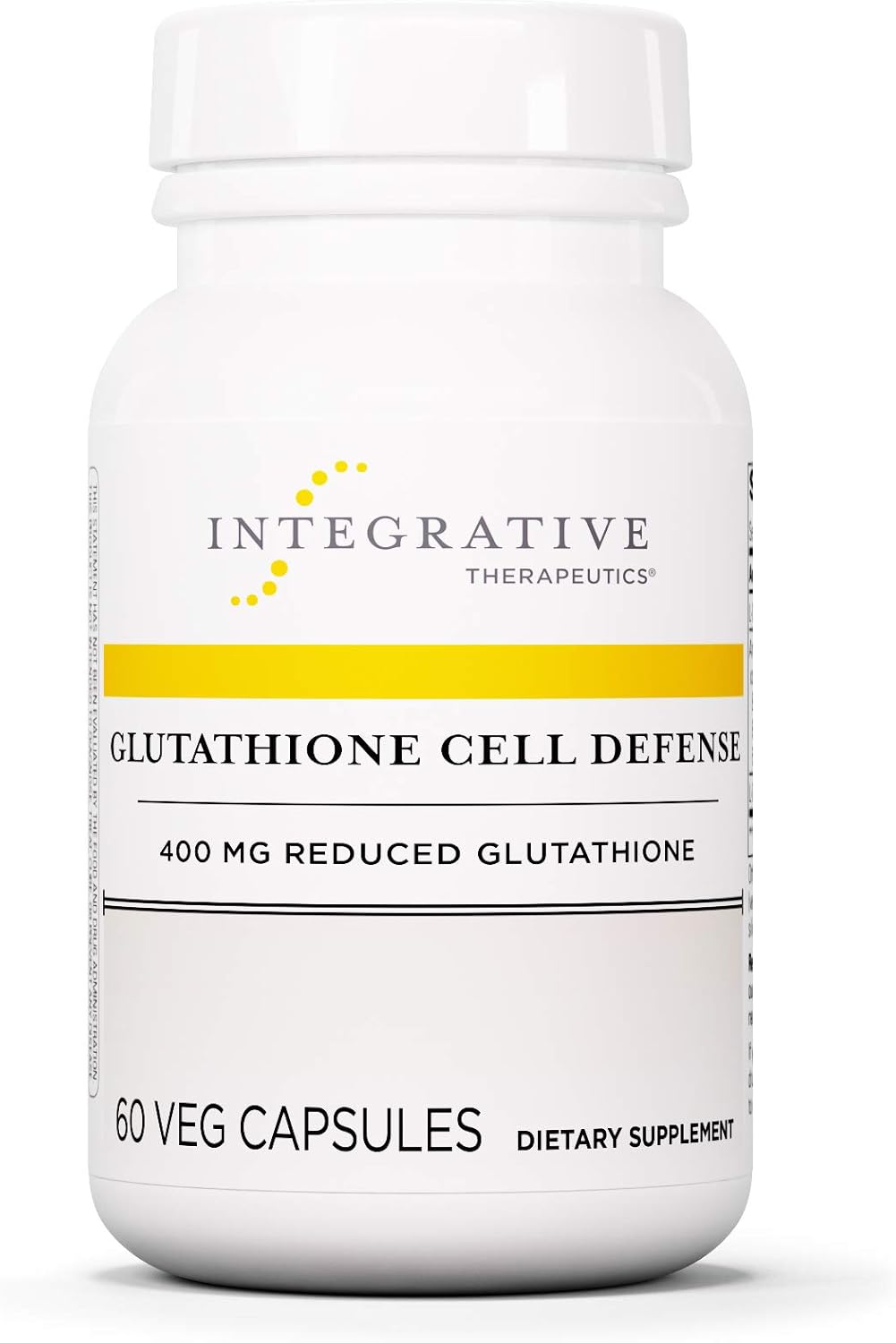
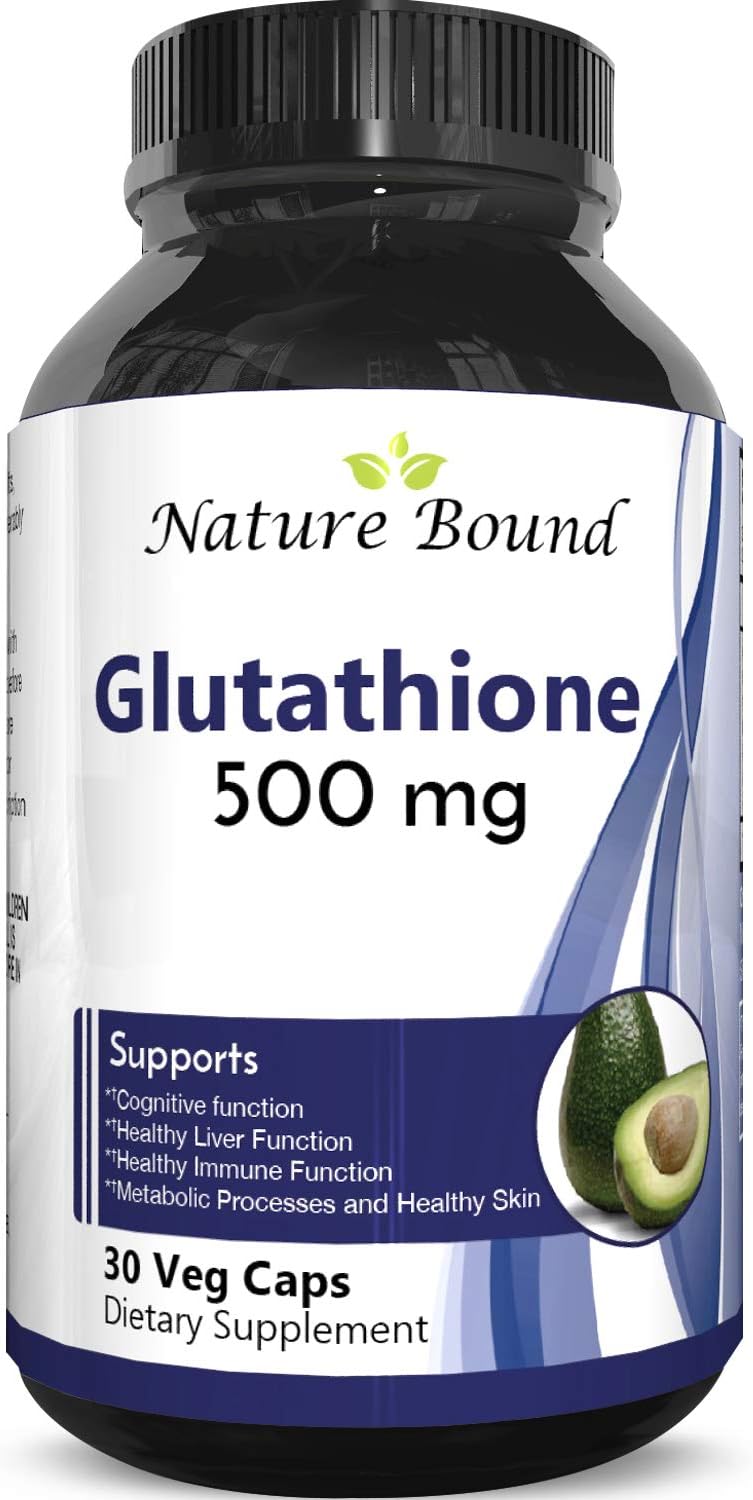
You can also find pills that contain glutathione, or other chemicals that reduce the amount of pigment that the skin produces. These pills will make your skin lighter. Other ingredients that will whiten the skin include Vitamin C, Vitamin E, Alpha Lipoic Acid (ALA), and retinoids (variants of Vitamin A, in the form of Retinol or Retinoic acid). But you have to find the right pills for your needs.
People who have darker skin may suffer from skin discolorations over time. These discolorations can be caused by sun exposure or sunburn. They can also suffer from melasma, which are brown patches that develop during pregnancy, from using birth control pills or other hormonal treatment, or even from just stress or aging. There are topical creams and soaps that contain glutathione, which is an antioxidant chemical that reduces the body’s production of the pigment melanin. (The human body produces glutathione naturally–but it makes less as you age. This can lead to such skin discolorations.)
We’ve composed this buyer’s guide to help you make the right decision when selecting bleaching pills. It’ll help you:
We can differentiate between different whitening pills by their main ingredients.
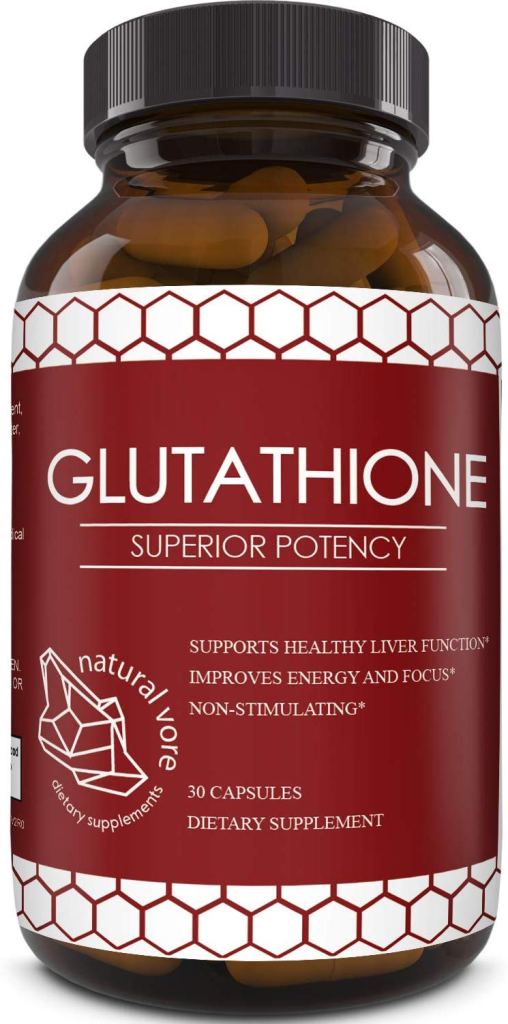
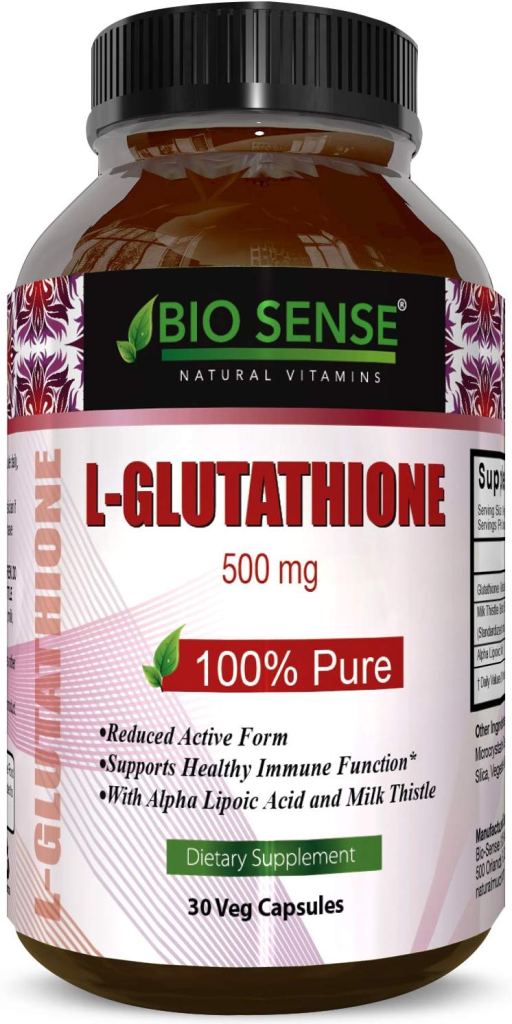
Vitamin C and Alpha Lipoic Acid: Our favorite is BES Silky and Glowing. The formula contains Setria Glutathione, which was developed by Kyowa Hakko U.S.A, Inc. after decades of research. For maximum efficiency, Glutathione should be taken together with vitamin C, which itself is an antioxidant that will also raise Glutathione levels in your body. In addition to Vitamin C, Bes Silky & Glowing contains Alpha Lipoic Acid (ALA) as well, which protects cells from damage, creates energy, and assists in muscle recovery and brain function. In fact, supplementing the body with ALA will help maintain and restore Glutathione levels–which is instrumental in limiting melanin production. So it’s easy to see why Bes Silky & Glowing is our go to supplement to maintain bright, even, wrinkle free skin.

This is an example post, originally published as part of Blogging University. Enroll in one of our ten programs, and start your blog right.
You’re going to publish a post today. Don’t worry about how your blog looks. Don’t worry if you haven’t given it a name yet, or you’re feeling overwhelmed. Just click the “New Post” button, and tell us why you’re here.
Why do this?
The post can be short or long, a personal intro to your life or a bloggy mission statement, a manifesto for the future or a simple outline of your the types of things you hope to publish.
To help you get started, here are a few questions:
You’re not locked into any of this; one of the wonderful things about blogs is how they constantly evolve as we learn, grow, and interact with one another — but it’s good to know where and why you started, and articulating your goals may just give you a few other post ideas.
Can’t think how to get started? Just write the first thing that pops into your head. Anne Lamott, author of a book on writing we love, says that you need to give yourself permission to write a “crappy first draft”. Anne makes a great point — just start writing, and worry about editing it later.
When you’re ready to publish, give your post three to five tags that describe your blog’s focus — writing, photography, fiction, parenting, food, cars, movies, sports, whatever. These tags will help others who care about your topics find you in the Reader. Make sure one of the tags is “zerotohero,” so other new bloggers can find you, too.
 Yogi Lifestyle